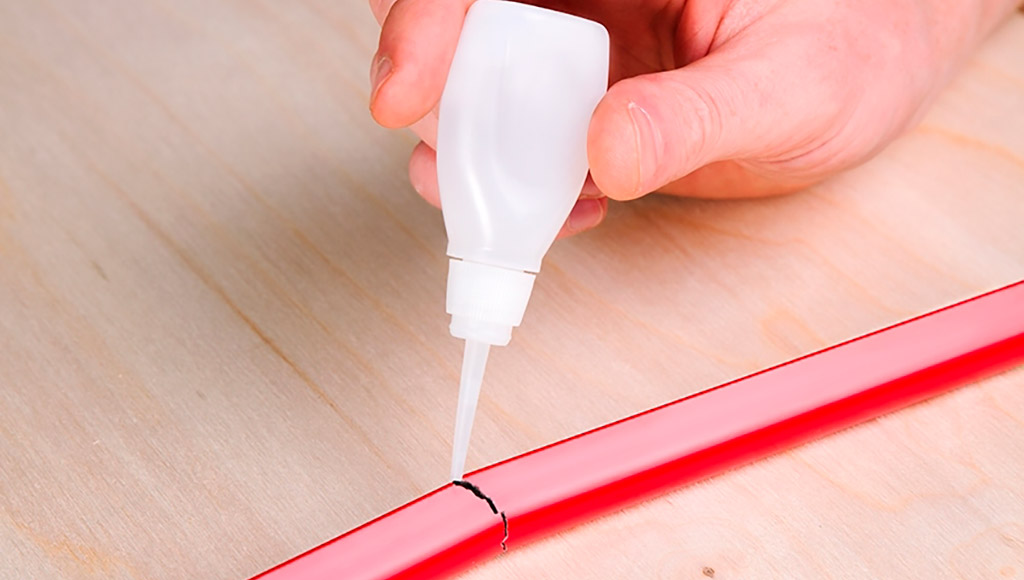
Would you like to know how to remove superglue from plastic? In Ecosoluciones químicas we will explain the steps you should follow to effectively remove superglue stains. This product is mostly used to make quick repairs to various objects.
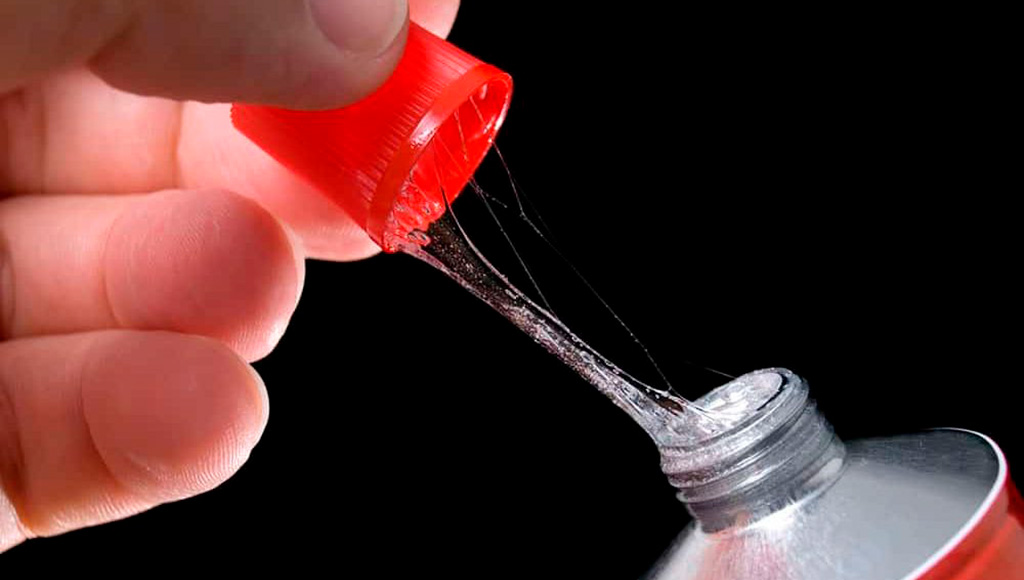
However, one of the main problems is that if care is not taken, it can adhere to skin, clothing, plastics and virtually any type of surface. Once it dries, it is very difficult to remove.
In this regard, some people mistakenly end up using superglue on the wrong parts; however, when the material is plastic, there is a risk of staining the part. If cleaning adhesive agents are used, they may damage the paint or sheet metal of the object.
Although it can be complicated, it is not impossible, you just have to know how to remove superglue from plastic correctly. Below we will give you some tips, advice and steps with which you can achieve this goal, as well as explain how to remove superglue from the skin in case your fingers are stuck.
How to Remove Superglue from Plastic: Methods and Steps
Before you know how to remove superglue from plastic, first you should know that soaking the stained part with soapy water allows the weaker bonds of the superglue to break down. It also helps to moisten the glue, making the glue easier to remove.
Nitromethane
The first element that you should use if you want to learn how to remove superglue from plastic, is the nitromethane component. This is an organic compound with a chemical formula that has the form of a slightly viscous liquid. It is normally used as a solvent in industrial extractions; although it is also used as a solvent in dry cleaning, semiconductor processing, degreasing, etc.
On the other hand, nitromethane can be used as a component of the fuel mixture used in “glow” type minimotors. As you can see, it is an element that has many uses and its effectiveness as a solvent is quite high.
Believe it or not, it is not an extremely aggressive method, so it can be used on fragile parts. It can regularly be found as an anti-adhesive solution in online and physical stores. If what you want to know is how to remove superglue from plastic, then we advise you not to use a large amount of the liquid on the part; you only need a small amount of the product.
It is very simple to use. The first step is to take a clean cloth and moisten an area with the nitromethane. The next thing you should do is to rub with the cloth the area that has the superglue. In a short time you will be able to see the result. It should be noted that if the material is extremely delicate, you can dilute the product with a little water.
Isopropyl alcohol
We cannot explain how to remove superglue from plastic without mentioning isopropyl alcohol. It is perhaps one of the most effective elements you can use to remove superglue. This is a chemical compound with a generally colorless liquid that has a very characteristic odor.
However, it is a material that must be handled with care as it evaporates easily and is flammable. It is generally used for the manufacture of plastics, fibers, medicines and other chemicals, one of which is as a solvent for other chemicals.
One of the most important factors of this compound is that it is water soluble, this is possible because it interacts easily with other polar compounds. Its use is not limited to industrial use, it is an effective stain remover.
However, you should know that this is an extremely potent chemical, so using it can damage the item to be fixed. The first thing you should do is to find out if the plastic with the superglue is able to withstand a strong anti-adhesive agent.
You also have to take into account the paint that may be on the part. Isopropyl alcohol is a powerful solvent, so items such as paint or plating can be damaged. We recommend using the chemical on resistant plastic parts that are free of such elements.
Learning how to remove superglue from plastic with ipropyl alcohol is extremely simple. The first thing to do is to dilute it with water so that the chemical does not affect the plastic material so much, especially if it is delicate. The next step is to use a clean cloth and moisten an area with the product. Finally rub the wet part over the superglue. It will act quickly and in a few minutes you will see the result.
You should know that ipropyl alcohol also has other utilities, so it is an ideal stain remover to remove stains from clothing, such as makeup on the collar of shirts or blouses or ink, in addition, we offer you different formats of this product.
How to remove superglue from hands?
Now that you know how to remove super glue from plastic, it is time to remove this product from your skin. When this super glue is handled carelessly one of the areas of the body most affected is the skin of the fingers. They can easily get soaked in the material or get a few drops.
If this is your case, do not try to remove it as if it were a common glue, it is extremely painful and can even cause wounds. There are ways to remove this product from the skin quickly, one of them is acetone; you can use it unless you are allergic to this chemical.
With a little bit of acetone on a clean cloth, rub the affected area and that’s it. If your skin is extremely sensitive or you are allergic, we recommend using other methods. One of the easiest is warm water and soap. Soaking the material softens it and it can be carefully removed.
Lemon juice is also an effective method, just mix equal parts of lemon and water. On the other hand, some people recommend the use of olive oil or margarine, as the fat weakens the adhesion of the superglue.
To provide the best experiences, we and our partners use technologies like cookies to store and/or access device information. Consenting to these technologies will allow us and our partners to process personal data such as browsing behavior or unique IDs on this site and show (non-) personalized ads. Not consenting or withdrawing consent, may adversely affect certain features and functions.
Click below to consent to the above or make granular choices. Your choices will be applied to this site only. You can change your settings at any time, including withdrawing your consent, by using the toggles on the Cookie Policy, or by clicking on the manage consent button at the bottom of the screen.